Menu

Vented Poly Bags

Vented poly bags are designed to do what standard plastic bags can’t — allow airflow in and out while still protecting the product inside. At Rutan Poly, we custom-manufacture vented bags for clients in food service, agriculture, medical, manufacturing, and more.

Whether you need to reduce condensation, prevent ballooning, or extend the shelf life of produce, vented bags are a small but critical upgrade in your packaging process.

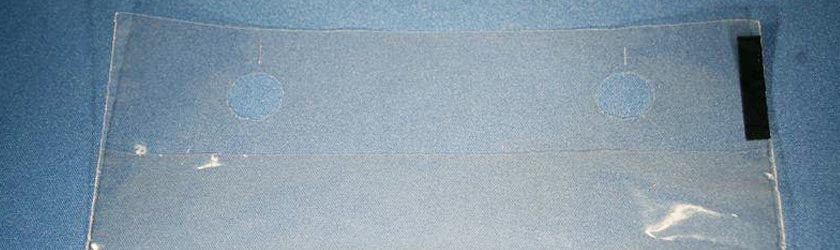
Vented Poly Bag Example from Rutan Poly Manufacturer

What Are Vented Poly Bags?

Vented poly bags are made from polyethylene film (LDPE, LLDPE, or HDPE) and include small perforations or pin holes to let air move freely through the packaging. These controlled perforations help solve a range of packaging challenges — especially when it comes to moisture, trapped gases, or product visibility.

Without ventilation, sealed bags can trap humidity, fog up, expand with air, or collapse due to pressure changes. This can cause serious issues during shipping, display, or storage. By adding venting, you create a more breathable environment for products that are sensitive to trapped moisture, temperature fluctuations, or off-gassing.

Common Venting Types

We offer multiple venting styles to match different workflows and product types:

  • Pin holes (micro perforations): Nearly invisible vents that allow slow airflow while keeping contents protected
  • Laser or mechanical perforations: Larger or patterned holes for faster venting or heavier materials
  • Zoned perforation: Venting in specific areas (top, bottom, side) instead of across the whole bag
  • Full-face perforation: Perforations across the entire surface, often used in produce or textile packaging
  • Custom hole diameters: To meet exact ventilation and flow requirements

These options can be tailored to your product weight, moisture content, storage method, and packaging equipment.

Use Cases for Vented Poly Bags

Vented poly bags are used across dozens of industries — anywhere moisture control, air flow, or gas release is important.

Fresh produce packaging often requires vented bags to extend shelf life and prevent excess condensation. Produce like tomatoes, cucumbers, apples, and leafy greens release moisture and ethylene gas. Trapping that inside a sealed bag can accelerate spoilage or cause the product to fog or bloat. Vented bags reduce condensation, maintain freshness, and help produce last longer during transportation and display.

Bakery and prepared foods also benefit from vented poly bags. Breads, cookies, and pastries continue to release moisture after packaging. Without ventilation, bags can become soggy or mold-prone. Vented bags allow that steam to escape while maintaining appearance and shelf stability.

Industrial and parts packaging is another common use case. Rubber, plastic, or composite parts may release gases or expand when sealed. Vented bags are used to prevent puffing, reduce static, and avoid packaging damage during transit or storage. These bags are often used for auto parts, molded plastics, or sensitive electronics.

In medical and lab settings, vented bags are used to transport sterilized items, temperature-sensitive materials, or equipment that could sweat or fog inside a sealed bag. They also support packaging requirements for sample kits or cold chain logistics.

In e-commerce and high-speed fulfillment centers, vented bags can be used for inner packaging or for shipping products that could bloat inside shrink wrap or heat-sealed mailers. Vent holes help maintain consistent package dimensions and prevent pressure buildup during processing.

Customization Options

All of our vented poly bags are made to order. We do not sell stock bags or off-the-shelf formats. You can choose from:

  • Custom sizes and dimensions
  • Bag style (flat, gusseted, bottom seal, side seal, wicketed, etc.)
  • Material type (LDPE, LLDPE, HDPE)
  • Venting method and hole diameter
  • Clear, tinted, or printed film (up to 9 colors)
  • Additives such as anti-fog, UV inhibitor, anti-static, or slip agents
  • Optional features like hang holes, perforations, or reinforced headers

If you’re unsure which venting setup is best, we can guide you based on your product, packaging workflow, and storage or transit conditions.

Made in the USA – Manufactured in New Jersey

All of our vented bags are manufactured at our facility in New Jersey. From extrusion to converting and printing, every step happens in-house. This gives us better control over quality, faster turnaround, and a direct line of communication with you. No brokers, no resellers, no outsourcing. Just a reliable U.S. manufacturing partner that understands your needs and responds quickly.

Why Work With Rutan Poly

We’ve been manufacturing polyethylene bags and film for over 50 years. We’ve helped businesses in agriculture, healthcare, food service, manufacturing, and logistics get the exact packaging solution they need — with no surprises and no delays.

When you work with Rutan, you get real people, real expertise, and real control over your packaging.

Request a Quote

Ready to get started? Tell us about your product and how it’s packed — and we’ll help you design a custom vented poly bag that fits your operation.

Contact us here or explore more custom poly bag options to learn more.

Our Latest Articles

How to Package Sensitive Medical Instruments and Components

Medical instruments and precision components require careful packaging to prevent damage, contamination, or handling issues during storage and transport. ... (Read More)

Food-Grade vs Medical-Use Poly Film: What’s Different?

uipment trays• liners for storage containers used in clean work areas• protective barriers during equipment staging Medical facilities may ... (Read More)

Common Uses for Poly Sheeting in Labs and Medical Facilities

Laboratories and medical facilities frequently rely on protective materials to maintain clean handling conditions and protect sensitive equipment, products, ... (Read More)